


Underpinning Contractors Explained: Protecting Your Property’s Foundations
What Is Underpinning?
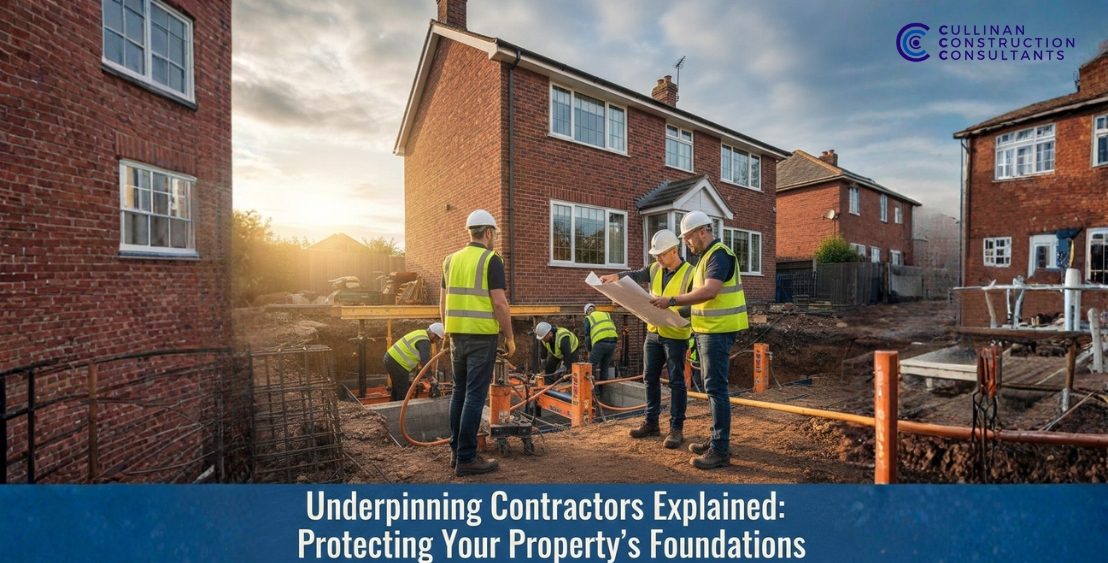
Underpinning is a building method which reinforces or holds the base of a building. Over time, the foundations may sink, crack or be weakened by the movement of soil, improper construction or by the surroundings. Foundations ensure your house is secure, well-founded and strong. Underpinning contractors who have experience are trained to execute these works safely and efficiently. They estimate the state of your foundation, select the most effective approach, and make sure that the property is properly supported.
When you required Underpinning?
Underpinning may also be required on the event that your property exhibits signs of foundation problems. Common situations include:
– Older building structures with poor foundation.
– Buildings that have subsided.
– Extension or renovation which increases the load on the foundation.
– Cracks that form on walls, floors and ceilings.
Underpinning contractors, who are professional in underpinning, are able to investigate your property and recommend whether you need underpinning or not. It is better to act now before the situation is much more serious in structure.
Sign of Foundation Problems.
It is significant to identify early warning signs which include:
– Wall cracks around doors and windows.
– Doors or windows sticking or misaligning.
– Uneven or sloping floors
– Gaps between walls and ceilings.
– Damp or water around the foundation.
In case you observe any of these, contact underpinning contractors immediately to prevent additional damages.
Reasons to Damage Foundations.
The foundation underpinning problems may be caused by several factors:
– Movement of the soil due to contraction of clay or surplus water.
– Inadequate construction or structure of the foundation.
– Nearby excavation or construction.
– Tree roots.
– Water seepage or flooding of soils stability.
This awareness of the cause helps contractors to choose the appropriate solution to long-term stability.
Forms of Underpinning Methods.
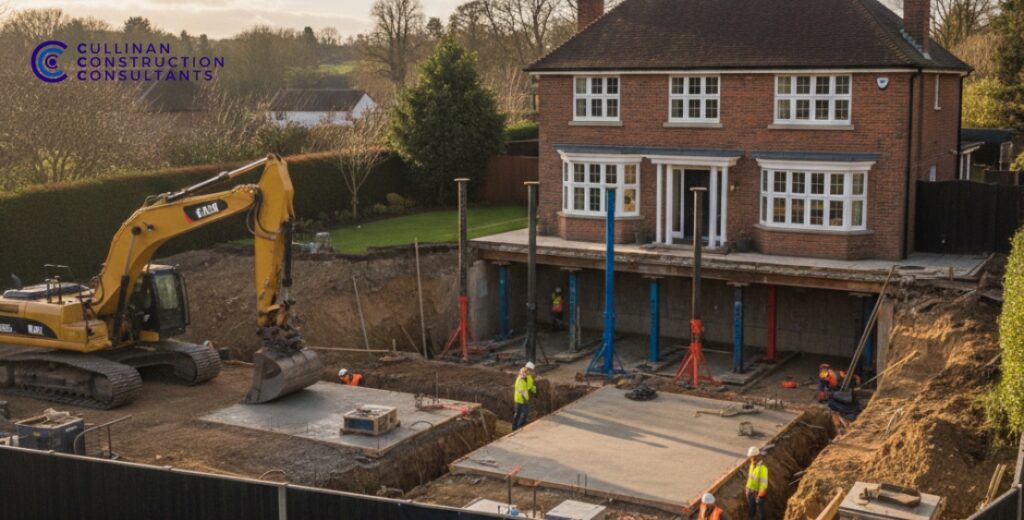
Depending on the ground conditions and property, the contractors can employ a number of approaches:
– Mass Concrete Underpinning– the conventional technique, which involves pouring concrete beneath the current foundation.
– Beam and Base Underpinning – it is appropriate in the case of heavy weight of the properties or in case of the soil being uneven.
– Mini-Piled Underpinning– suitable where ground conditions are poor, or access is limited.
– Pile and Beam Systems – used in commercial or large-scale project.
A contractor will assess your property and suggest the best method.
The Underpinning Process
Underpinning process normally includes:
– Inspection and survey of foundation.
– Arranging the site and assisting the existing construction.
– Excavation is done on the foundation carefully.
– Fitting the new support underpinning.
– Backfilling and making the site level and stable.
This process is carefully managed so as to reduce the disruption and maintain safety and stability.
How Much Underpinning Costs
The price is based on a number of factors:
– Size and type of property
– Foundation severity problems.
– Chosen underpinning method
– Ground conditions and accessibility.
A site inspection provide most contractors to give a detailed estimate. Professional underpinning contractors can prevent more costly repair in the future.
Selection of the Right Underpinning Contractors.
It is important to choose an appropriate contractor. Consider:
– Track record and experience with similar property.
– Qualifications and certifications.
– Detailed assessment and clear quotes.
– Customers Reviews and references.
Professional underpinning contractors guarantee your property to be safe and in all regulations.
Planning Permission and Regulations.
Certain underpinning works might need approval through the planning process in the UK, particularly when carrying out the work on a listed building or property in a conservation area. Contractors will guide you through:
– Local building regulations
– Health and safety compliance.
– Structural engineer reports where necessary.
Your project will be completed to the usual legal and safety standards by using qualified underpinning contractors.
Professional Underpinning Benefits.
There are several advantages of hiring experienced contractors:
– Foundation risk prevention over a long period of time.
– Higher property value and stability.
– Fewer chances of expensive building maintenance.
– Peace of mind that your home is secured.
Underpinning is an investment in the safety and value of your property.
Conclusion
Protection of the foundations of your property and long-term stability depends on underpinning. You can also avoid expensive repairs and protect your home by detecting the initial symptoms of damage and contracting professional underpinning contractors. Choosing experience contractors who follow regulations and use the right methods will give you peace of mind and maintain the value of your property.
Frequently Asked Questions (FAQ’s)
The time of construction is based on the size of the property, type of underpinning, and conditions of the ground. The average residential projects require 2-6 weeks.
Prices differ depending on the property, foundational issues, and the approach applied. A professional contractor is able to give a detailed quote upon inspection.
There will be a certain level of disruption caused by excavation and construction, but the contractors who do them know how to run the process in a manner that causes minimal noise and inconvenience.
Yes. A well structurally stable property, which has a good foundation, will be more attractive to customers and will raise the market value without incurring losses in the future.
Related posts:
 Listed Building Property Survey: A Complete UK Guide for Buyers & Owners
 Stop Subsidence Before It is Too Late: Role of Underpinning Contractors and Structural Engineers
 Excellence in Shropshire: Best Building Contractors Telford
 Design and Build Contractors for All Sectors
 How to Hire New Build Contractors in UK to Make Construction Phase Easy
Comments are closed